Our Story
One diagnosis
changed our family.
What we built next could change what support looks like for others.
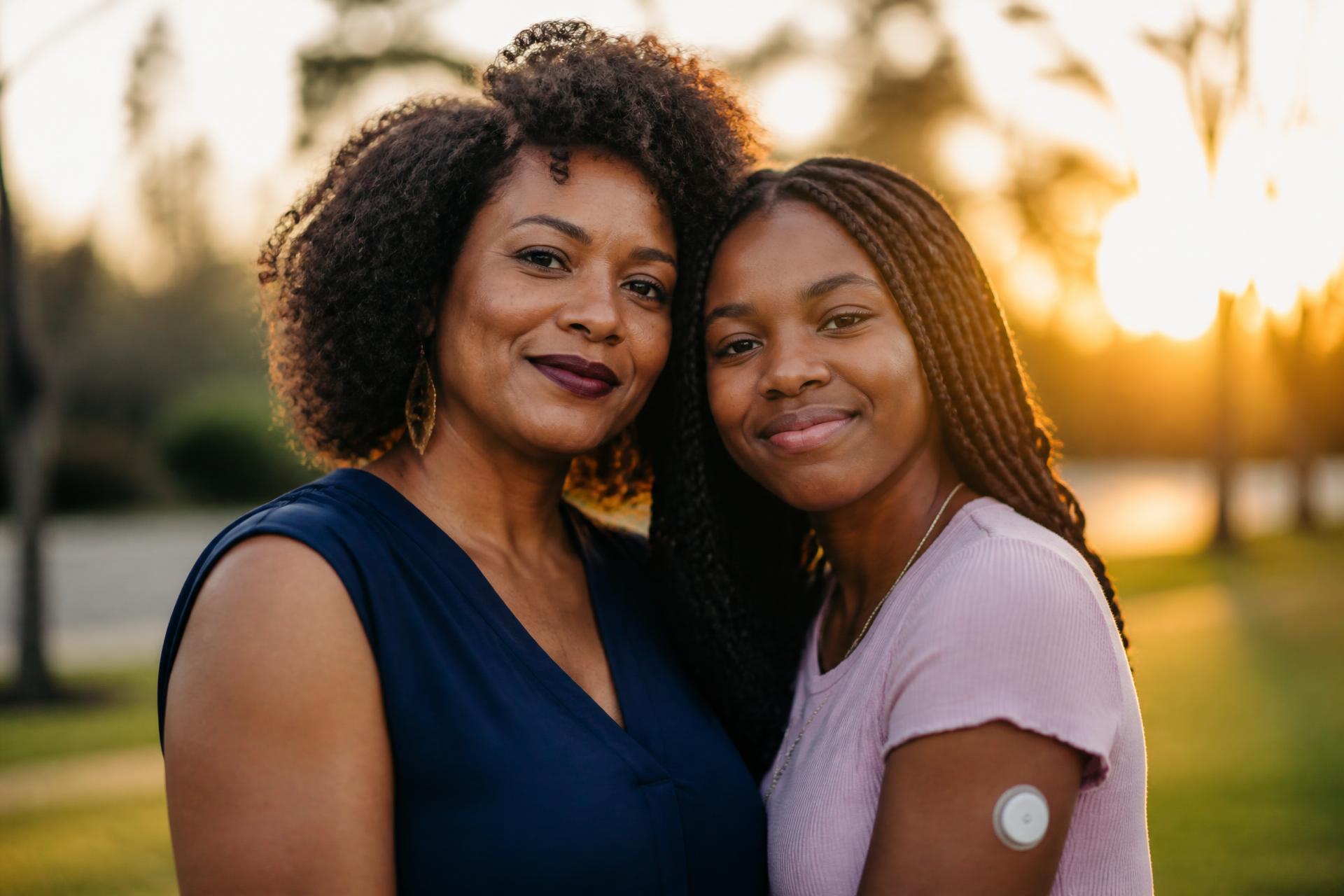
When Kendall Wyche was diagnosed with Type 1 diabetes at nine years old, our family entered a world of numbers, devices, alarms, appointments, calculations, uncertainty—and questions no family feels completely prepared to answer.
We learned the medical routines. But diabetes doesn't remain inside the doctor's office. It follows a child into the classroom, onto the field, to the dinner table, into friendships, through adolescence—and into a caregiver's bedroom at 2:00 a.m. That realization became the beginning of the Kendall Wyche Foundation.
The story starts here ↓

The Beginning
One diagnosis.
An entire life rewritten.
Kendall was nine years old when Type 1 diabetes entered our lives.
There is the moment before diagnosis. And then there is everything after it. Suddenly, numbers carried consequences. Blood glucose. Carbohydrates. Insulin. Corrections. Highs. Lows. Alarms. Appointments.
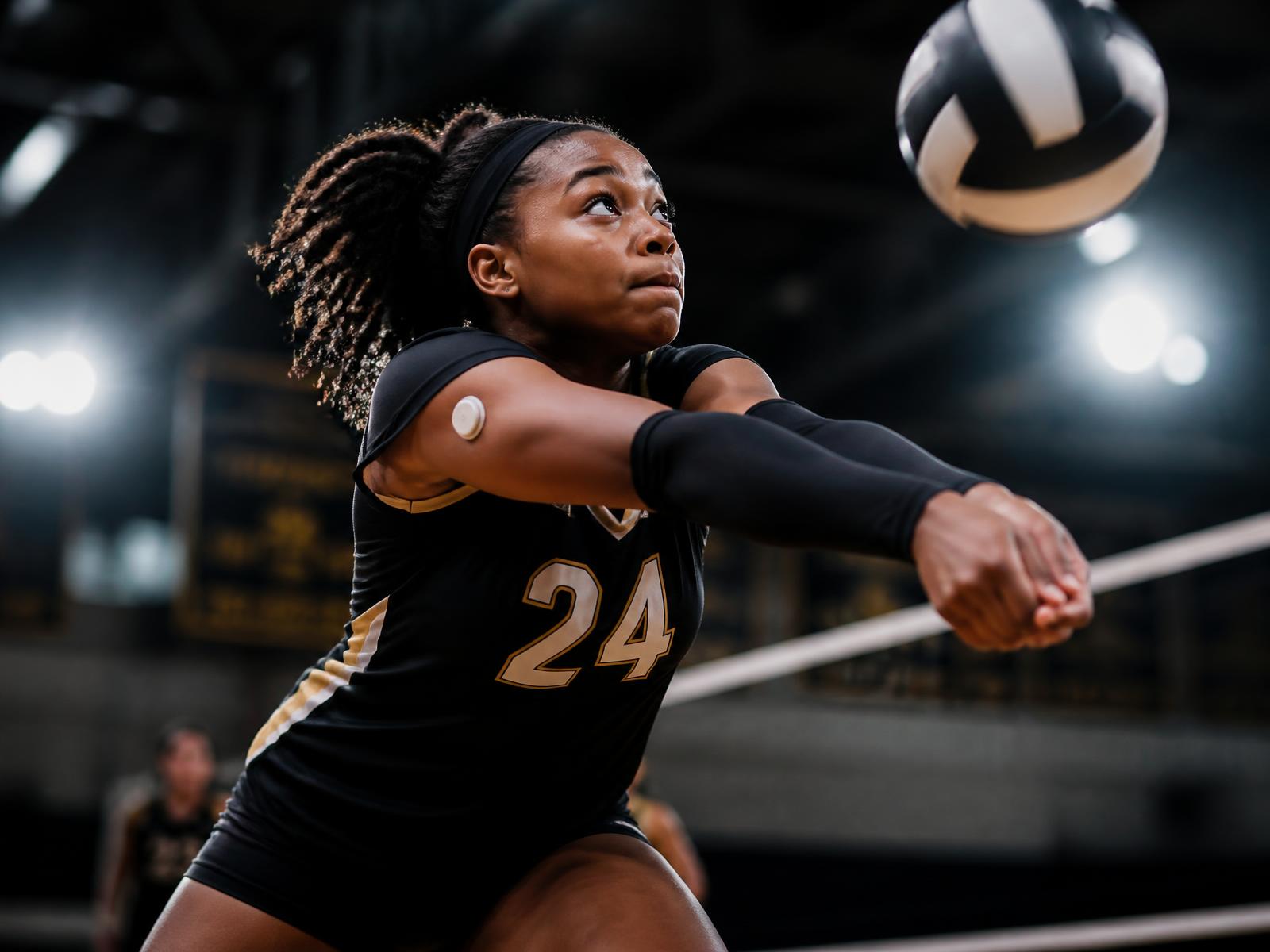
We learned quickly that Type 1 diabetes doesn't simply enter a child's body. It enters the family's routines. The classroom. The dinner table. The basketball court. The volleyball court. The sleep schedule. The family calendar.
It changes how a parent thinks about something as ordinary as sending her child to school, letting her sleep at a friend's house, playing a sport, eating a meal, or eventually leaving home.
“Diabetes didn't ask permission before changing the rules. We simply had to learn how to play differently.”
We spent years learning what no one lesson could teach us.
01
Diagnosis
Learning the language of Type 1 diabetes while simultaneously processing what the diagnosis meant for our child and family.
02
Adaptation
Learning insulin, food, glucose patterns, technology, school routines, sports, activity, illness, hormones, and the thousand decisions hiding inside an ordinary day.
03
Advocacy
Learning to ask better questions, communicate Kendall's needs, navigate systems, and make sure diabetes didn't quietly become the architect of her childhood.
04
Independence
Confronting one of the hardest transitions for any caregiver: knowing when to protect, when to prepare, and when to let your child begin carrying more of the responsibility herself.
05
Resilience
Realizing that successful diabetes management requires more than information. Children and families also need the capacity to adapt when plans change, recover when things go wrong, make decisions under pressure, and keep moving forward.
We were learning to manage diabetes. But we were also learning how to become resilient.
The Realization
Then we realized
there was another gap.
Our clinical teams taught us critical skills for managing Type 1 diabetes. But much of family life happens between appointments.
What happens after the frightening low? After the stubborn high? When the game doesn't go according to plan? When a child is tired of being different? When a parent is afraid to relinquish control? When yesterday's strategy suddenly stops working? When the numbers are frustrating—and everyone has done their best?
Medical knowledge matters enormously. But families also need tools for navigating uncertainty, emotion, disruption, decision-making, identity, and change.
“We were being taught how to manage diabetes. We also needed to understand how to manage what diabetes was asking of us.”
We didn't want another family to have to figure out the rest alone.
What began as one mother's determination to help her daughter navigate Type 1 diabetes became a larger question:
What would it look like to support the whole child—and the whole family—not just the condition?
That question changed everything. We stopped thinking only about programs. We started thinking about the entire lived experience.
- Food.
- Mental and emotional well-being.
- Sports.
- School.
- Self-advocacy.
- Healthcare access.
- Identity.
- Caregiver resilience.
- Community.
- And the ability to adapt when diabetes changes the plan.
That is how a mission became an ecosystem.
Belief came before scale
Before the ecosystem, there was belief.
They were not investing in proven scale. They were investing in possibility.
March 2024
The Foundation
The Kendall Wyche Foundation became a 501(c)(3) public charity with a mission centered on empowering children and families navigating Type 1 diabetes, with particular attention to communities too often left without equitable access to support.
2024
The community said yes.
$10,000+
Raised in the Foundation's first years of giving
Community members began putting their own dollars behind a young foundation created from one family's experience with Type 1 diabetes—sometimes $20, sometimes $50, sometimes considerably more.
Those gifts represented more than dollars. They represented belief.
Counted together with Amazon's $5,000 community grant in 2024 and the Prism Fund's $5,000 investment in 2025, early giving surpassed $10,000.
Community-powered from the beginning.
August 2024
Corporate investment
$5,000
Amazon Community Grant Investment
Early corporate supporter
That same year, Amazon made a $5,000 community grant investment supporting the Field of Dreams experience.
It demonstrated that institutional partners could see what our community already saw: the mission was worth investing in.
2025
Philanthropy invested.
$5,000
Prism Fund at the Maine Community Foundation
In 2025, the Prism Fund at the Maine Community Foundation invested another $5,000, supporting an expanding portfolio for children and families navigating Type 1 diabetes.
The Foundation's February 2025 acknowledgment identified MindCare T1D, E.A.T., EmpowerED, and Field of Dreams among the initiatives supported by the contribution.
2026
The mission became infrastructure.
We kept building.
The programs expanded. The resources multiplied. The books created new ways to reach families. And the questions led to a larger realization:
Families didn't simply need more information about diabetes. They needed tools for navigating everything diabetes asks of the human being.
High PQ™ for T1D: The Resilience Bridge™
Historical contributions are listed for accuracy. They do not represent a current sponsorship or an endorsement of any program by Amazon or the Prism Fund.
The ecosystem
Look what this became.
Ten connected branches, one center. Select any branch to see what it does and why it exists.
Kendall Wyche Foundation
Rising Above Diabetes
Nourish
E.A.T.
Food, nutrition education, healthy eating, and practical support for families navigating diabetes.
Because managing diabetes shouldn't require choosing between understanding nutrition and being able to access it.
Strengthen
MindCare T1D™
Emotional wellness and mental-health-centered support around the lived experience of T1D.
Because the numbers aren't the only thing families carry.
Move
Field of Dreams
Education, empowerment, community-building, sports, movement, confidence, and participation.
Because diabetes may change the play—but it doesn't have to remove a child from the game.
Advocate
EmpowerED
Knowledge, healthcare self-advocacy, family empowerment, and helping young people develop their voices.
Because knowing what you need matters. Knowing how to ask for it matters too.
Rise
ImpactRise
Advocacy, visibility, community engagement, and systems-level awareness.
Because some barriers cannot be overcome by asking families to become more resilient. Sometimes the system must change.
Compete
Mastering Diabetes in Sports
Helping children and families navigate T1D alongside athletics, movement, confidence, and participation.
The goal isn't simply to stay in the game. It's to know you belong there.
Speak
Youth Voices
Youth agency, storytelling, leadership, visibility, and lived-experience advocacy.
Nothing about young people without hearing from young people.
Access
CGM Access & Affordability
Reducing barriers to diabetes technology and helping families access critical resources.
Innovation means little when the families who need it cannot reach it.
Understand
The T1D Book Ecosystem
Mommy, Please Don't Let Me Die Here · Kendall's Diabetes Adventures · Caregiver's Corner
Caregiver story → Child experience → Caregiver support
Different voices. Different moments. One family journey.
Branch 10 · Build resilience
High PQ™ for T1D
The Resilience Bridge™
An eight-module family-centered resilience experience designed to strengthen adaptive decision-making, self-advocacy, communication, caregiver resilience, identity, and family confidence alongside—not in place of—clinical care.
Explore the Resilience Bridge™- P.I.V.O.T.™ Framework
- T1D Pivot Play™
- Caregiver PQ Reset™
- Family Resilience Plan™
- School & Sports Navigation
- Eight Free Modules
Supporting the whole child. Strengthening the whole family. Changing what becomes possible.
These aren't separate programs.
They are different answers to the same question.
What does a child with T1D need to flourish?
- Food.
- Access.
- Knowledge.
- Movement.
- Confidence.
- Advocacy.
- Community.
- Emotional support.
- Caregiver capacity.
- A voice.
- A plan.
And the resilience to adapt when the plan changes.
The whole child.
The whole family.
That is the Kendall Wyche Foundation ecosystem.
We are not asking children to become endlessly resilient inside environments that fail them. We are strengthening individual and family capacity while working to change the conditions that make resilience harder than it should have to be.
From programs to infrastructure
What started as programming has become infrastructure.
01
Experience
We lived the gaps.
02
Response
We built programs around what families were experiencing.
03
Ecosystem
We connected food, emotional wellness, sports, advocacy, access, education, caregiver support, and resilience.
04
Infrastructure
Now we are building systems capable of reaching, supporting, measuring, and learning from families at greater scale.
We are no longer building one program at a time. We are building a support system around the family.
That's why we built the bridge.
The Clinical Side
- Insulin
- Glucose
- CGM
- Nutrition
- Treatment
- Technology
- Medical care
The Resilience Bridge™
Connective tissue between what families know and what families must repeatedly do.
The Life Side
- School
- Sports
- Identity
- Family
- Independence
- Setbacks
- Confidence
- Decision-making
- The future
High PQ™ for T1D: The Resilience Bridge™ complements—not replaces—clinical diabetes care.
Clinical care helps children and families understand and manage the disease. The Resilience Bridge™ helps strengthen the adaptive capacity needed to navigate life with it.
Clinical care helps manage the condition. Resilience capacity helps families navigate the life surrounding it.
Our Flagship Resilience Initiative
High PQ™ for T1D:
The Resilience Bridge™
Helping children and families build the capacity to adapt, recover, decide, advocate, and move forward.
High PQ™ for T1D brings resilience intelligence and Pivot Quotient® into the lived reality of Type 1 diabetes.
Rather than treating resilience as something a child either “has” or doesn't, we approach resilience as a capacity that can be strengthened intentionally.
Families learn practical language, tools, and frameworks for navigating moments of disruption without allowing one difficult number, one mistake, one setback, or one hard day to define what happens next.
The Story, Made Practical
What High PQ™ for T1D actually means
Six takeaways from six years. Open any card to see the term behind it in plain language, plus one thing a family can practice this week.
01
Managing diabetes and living with it are two different skills.
Clinical care teaches the numbers. Resilience capacity teaches what to do when the numbers, the plan, or the day falls apart.
Resilience capacity
The practiced ability to absorb a disruption, recover, and choose a next step — rather than a personality trait a child either has or doesn't.
Try this week
Name the skill you are building, not just the problem you are solving.
02
Resilience can be trained on purpose.
Families don't have to wait years to learn this by trial and error. It can be taught in small, repeatable moves.
High PQ™
High Pivot Quotient® — a measurable, trainable capacity to change direction under pressure without losing momentum or identity.
Try this week
Practice the move on ordinary days so it's available on hard ones.
03
Every disruption has a pivot point.
Between the alarm and the reaction there is a gap. That gap is where families regain choice.
P.I.V.O.T.™
Pause, Identify, Validate, Own, Take Action — a five-step sequence that turns a stressful moment into a decision instead of a spiral.
Try this week
Run the five steps out loud with your child once a week.
04
Feelings get acknowledged, not argued with.
Fear, frustration, and burnout are accurate responses to a demanding condition. Naming them shortens them.
Validation without escalation
Confirming the emotion is real while keeping it from becoming the whole story of what happens next.
Try this week
Say what you see, then ask what would help in the next ten minutes.
05
Independence is handed over in pieces.
Handing a child responsibility is a sequence of rehearsed handoffs, not a single leap at eighteen.
Graduated ownership
Deliberately transferring one decision at a time, with a rehearsal, a fallback, and a debrief for each.
Try this week
Pick one decision this month your child owns from start to finish.
06
The bridge is a system, not a pep talk.
Resilience holds up when it is built into the school, the team, the clinic, and the household routine.
Family Resilience System
The shared language, roles, and routines that let a household respond consistently, even when one person is depleted.
Try this week
Write down who does what during a low, a high, and a bad night.
Where Resilience Becomes Practice
Pivot Play for T1D
Children shouldn't have to wait until adulthood to learn how to navigate uncertainty.
Pivot Play for T1D translates resilience concepts into developmentally engaging experiences that help children practice what to do when life—and diabetes—doesn't go according to plan.
- P
Pause
Create space between the disruption and the reaction.
- I
Identify
Recognize what is happening.
- V
Validate
Acknowledge the experience without allowing it to become the entire story.
- O
Own
Recognize what remains within your control.
- T
Take Action
Choose the next useful move.
The goal isn't to create children who never struggle. It's to help build children who know what to do next.
Try the T1D Pivot Play™Two stories. One mission.
Kendall
The Lived Experience
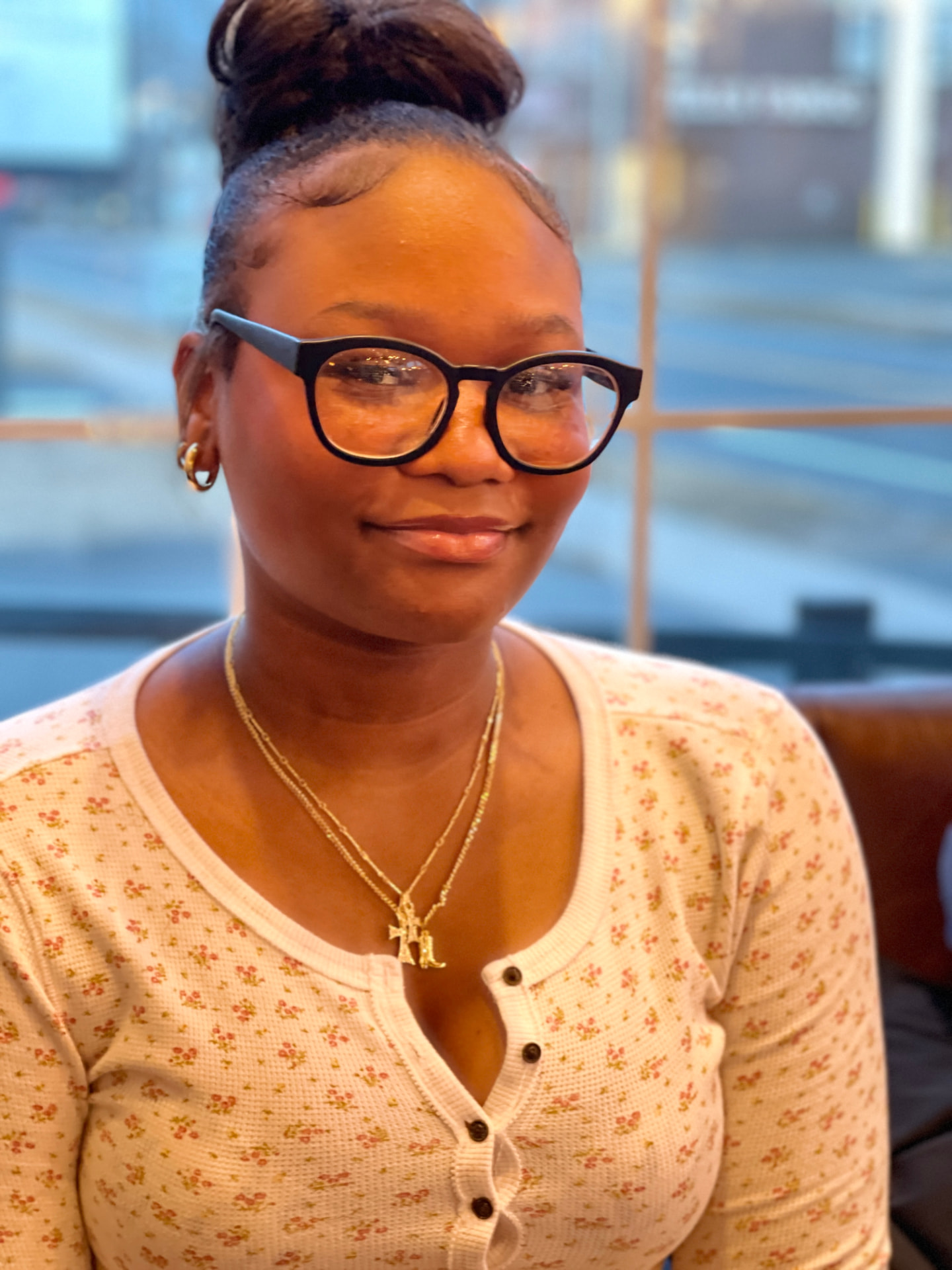
Kendall's journey is the heartbeat behind the Kendall Wyche Foundation.
From diagnosis at nine through school, adolescence, athletics, technology, changing routines, and increasing independence, her experience continues to shape the Foundation's understanding of what children living with Type 1 diabetes actually encounter beyond the clinical setting.
Her story is not presented as a story of limitation. It is a story of becoming.
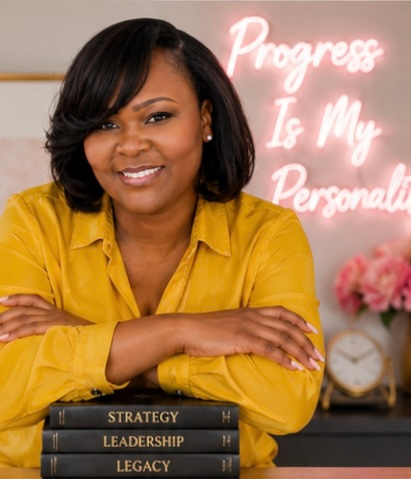
Constantine J. Alleyne
MPH, EMBA, DEI-C, PhD(c)
The Architect
Constantine transformed one family's experience into a broader mission.
Her background spanning public health, organizational leadership, executive leadership, education, program development, and lived experience as the mother of a child with Type 1 diabetes informs the Foundation's systems-oriented approach.
She founded the Kendall Wyche Foundation to help ensure other families have access to education, advocacy, resources, community, and resilience-building support.
One experienced the journey. One began building the infrastructure. Together, their story became a mission.
Documented early institutional investment
$10,000
Early belief made room to build.
Two early investments · Two kinds of institutional belief
In 2024, community members began putting their own dollars behind a young foundation created from one family's experience with Type 1 diabetes. Corporate community investment arrived that year. Foundation philanthropy followed in 2025. Together with those community gifts, more than $10,000 was raised in the Foundation's first years of giving.
Fund the next chapterCapital history
Equal gifts. Distinct sources. A belief in possibility.
Verified records
$5,000
Amazon
2024 · Corporate community investment
$5,000
Prism Fund at the Maine Community Foundation
2025 · Foundation philanthropy
The mission kept building
- Field of Dreams
- E.A.T.
- MindCare T1D™
- EmpowerED
- Advocacy & Access
- High PQ™ for T1D: The Resilience Bridge™
2024
Corporate belief
2025
Philanthropic belief
2026
Infrastructure built
Those early partners were investing in possibility—not proven scale. Historical contributions are shown from Foundation records. Program names show KWF's evolution, not a claim that either gift solely funded or caused every later initiative. No current endorsement is implied.
Our early partners helped us build. Our next partners will help us measure, expand and scale.
The first chapter was about building.
The next chapter is about reach.
We know how to build. Now we are building the infrastructure to understand:
- How many families can we reach?
- What changes after they participate?
- Which tools do they continue using?
- Where are families still being left behind?
- How can schools, community organizations, health partners, and funders help close those gaps?
- And how far can a family-centered resilience model travel when access is no longer limited by geography?
That is what the next investment funds.
The next chapter
Fund the Bridge™
Our earliest partners invested in what KWF could become. Our next partners will invest in how far it can reach.
Access
Keep the door open.
Support free family access to High PQ™ for T1D: The Resilience Bridge™ and other KWF resources.
Potential uses include
- Family access
- Community outreach
- Resource development
- Accessibility
- Underserved-community engagement
Implementation
Bring the Bridge to families.
Support structured implementation through schools, community organizations, youth-serving organizations, and appropriate health/community partners.
Potential uses include
- Staff orientation
- Family workshops
- Facilitator resources
- School and sports resources
- Community implementation
Measurement
Help us move from stories to evidence.
Support the infrastructure necessary to understand participation, engagement, participant-reported outcomes, and program learning.
Potential uses include
- Pre/post resilience measurement
- Program analytics
- Evaluation infrastructure
- Impact reporting
- External evaluation partnerships
Scale
Help the Bridge travel farther.
Support the infrastructure required to expand reach responsibly.
Potential uses include
- Multilingual access
- Accessibility enhancements
- Digital infrastructure
- Facilitator development
- Institutional implementation
- Community expansion
Today, possibility has become infrastructure.
We are inviting you to invest in the next stage of something already built.
The programs exist.
The community exists.
The lived experience exists.
The early institutional investment exists.
The digital infrastructure is being built.
The next question is not whether this work deserves to exist.
The question is how many families we can reach—and what we can learn when we reach them.
Community giving
Every bridge has more than one builder.
Some of our earliest supporters gave $20. Some gave $50. Some gave more.
Corporations invested. Philanthropy invested. Families rallied their networks.
Every contribution carried the same message:
Keep going.
That's why there is room in this next chapter for everyone.
- $25Support the Bridge
- $50Build the Bridge
- $100Strengthen the Bridge
- $250Expand the Bridge
- $500Bridge Builder
- $1,000+Impact Partner
Monthly giving
Bridgekeepers
A community of recurring supporters helping ensure the work doesn't stop when a campaign ends.
Become a BridgekeeperEvery gift supports the Foundation's work as a whole; amounts are suggested levels, not the cost of a specific service or outcome.
We built the bridge
we wish we'd had.
When Kendall was diagnosed, we couldn't know everything the years ahead would ask of her—or of our family. We know more now.
We know that knowledge matters. Technology matters. Access matters. Advocacy matters. Community matters. And resilience matters.
So we are turning what we learned through lived experience into tools, programs, partnerships, and infrastructure for the children and families coming behind us.
Because surviving Type 1 diabetes was never the finish line. Rising above it is.
Constantine J. Alleyne
Founder & Executive Director, Kendall Wyche Foundation, Inc.
The Next Chapter
Help us build the bridge
for the next family.
The next newly diagnosed child already exists.
The next parent trying to understand what just happened already exists.
The next student trying to manage diabetes at school already exists.
The next young athlete wondering whether T1D changes what's possible already exists.
Our opportunity is to make sure they don't have to navigate the journey alone.
For Families
You don't have to know everything today. Find education, resources, community, and resilience support.
Find SupportFor Schools, Clinics & Organizations
Bring practical, family-centered T1D education and resilience programming into the environments where children live, learn, play, and receive care.
Bring the Bridge to Your CommunityFor Donors, Funders & Partners
Help expand access to the education, technology, resources, and resilience-building support that can change a family's trajectory.
Build the Bridge With UsKendall Wyche Foundation education and resilience programming is designed to complement—never replace—professional medical care. Always follow the guidance of your child's clinical diabetes care team.
Partner With Us
Start the conversation.
Tell us who you are and we'll route your inquiry to the right team, then follow up automatically with materials built for your role.
For funders & donors
The bridge is free because the mission is shared.
See the outcomes we are building toward, the programs already in motion, and the ways philanthropy can help another family cross with more support.
Kendall Wyche Foundation, Inc. | 501(c)(3) public charity | Gifts are tax-deductible as allowed by law
This story started with Kendall.
It was never supposed to end with her.
Our family's experience gave us a reason to begin.
Other families gave us a reason to keep listening.
Our community gave us permission to keep building.
Early institutional partners gave us room to grow.
And every child and caregiver navigating Type 1 diabetes reminds us why the work must continue.
The Kendall Wyche Foundation exists because families deserve more than instructions for managing a condition. They deserve the opportunity to:
- Eat well.
- Move confidently.
- Advocate powerfully.
- Access what they need.
- Care for their emotional well-being.
- Participate fully.
- Build independence.
- Strengthen their families.
- And imagine lives that are bigger than a diagnosis.
Diabetes may be part of their story.
It doesn't get to become the whole story.
Kendall Wyche Foundation
Rising Above Diabetes.
One child inspired the mission.
A community helped build it.
Now we're building for the families we haven't met yet.